
SANDPLAY THERAPY
a place for growth
Sandplay therapy is only given in person at my private practice for English speakers and Dutch speakers. The Dutch website is currently under construction (update January 4th 2026), please use the contact button for more information or read below.
“You can discover more about a person in an hour of play than in a year of conversation.”
Plato
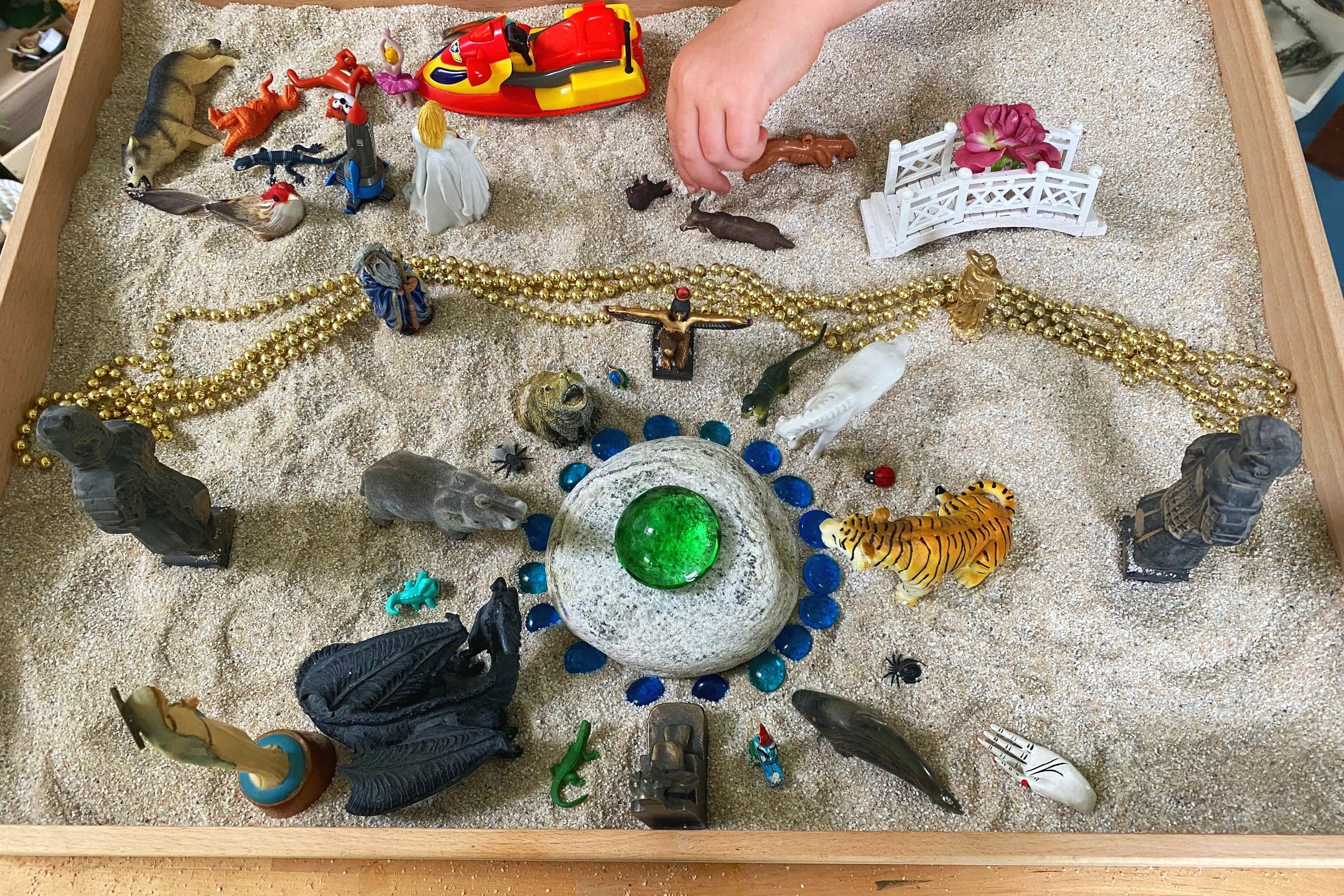
Sandplay therapy is a gentle, non-verbal, and creative form of therapy that helps you connect with unconscious memories and feelings. In Sandplay, a sandbox and miniatures are used. Sandplayers use these symbols to express stories, feelings, and inner images that are often hard to put into words. By intuitively creating scenes in the sand, their inner world becomes tangible.
This method was developed by Dr. Dora Kalff, inspired by Jungian psychology and the work of British child psychologist and physician Margaret Lowenfeld. It is based on the principle that the psyche has an innate capacity to heal when there is space for spontaneous expression. Working with sand and objects offers this space, allowing deep processes to unfold. In Sandplay therapy, these processes become visible and felt.

Sandplay
As a parent, you want nothing more than for your child to feel safe, to express themselves freely, and to stand confidently in the world. Sometimes, play is all that is needed to heal.
Sandplay therapy is especially valuable for children when they do not yet have the words to express complex feelings or experiences, and find themselves stuck. The sand and miniatures speak a universal, non-verbal language that helps them understand and heal themselves. It works on a deep level, without requiring the child to explain everything. The invisible becomes visible, giving a child’s inner world the space it needs to grow.
Why Sandplay works well:
• It feels like play, not like talking.
• It offers an open, non-judgmental space.
• Children and teens can freely experiment and express their feelings without pressure.
• It supports their natural capacity to heal, often bringing surprising insights.
For parents, Sandplay offers an accessible, respectful way to support their child during challenging times.
“The creation of something new is not accomplished by the intellect but by the play instinct acting from inner necessity.”
C.G. Jung
Working Method Sandplay Therapy
Building Trust: The Heart of Therapy
Effective therapy begins with a genuine connection between the child and the therapist. Children of all ages need to feel safe and comfortable before they can open up. That’s why, in the first few sessions, I take the time to build a foundation of trust. In a warm, welcoming environment, your child is free to choose how and what they create in the sandtray. This sense of safety and control is essential for the therapeutic process.
What Makes Therapy Effective?
Several key elements contribute to a successful therapy process:
Willing participation: Your child needs to feel comfortable and willing to engage in the sessions.
Safety and trust: A stable, respectful relationship between therapist and child is essential.
Time and space: Every child processes at their own pace, and that pace is honored.
Parental involvement: I keep parents informed while respecting your child’s confidentiality. When helpful, I offer guidance on how to support your child/teen at home.
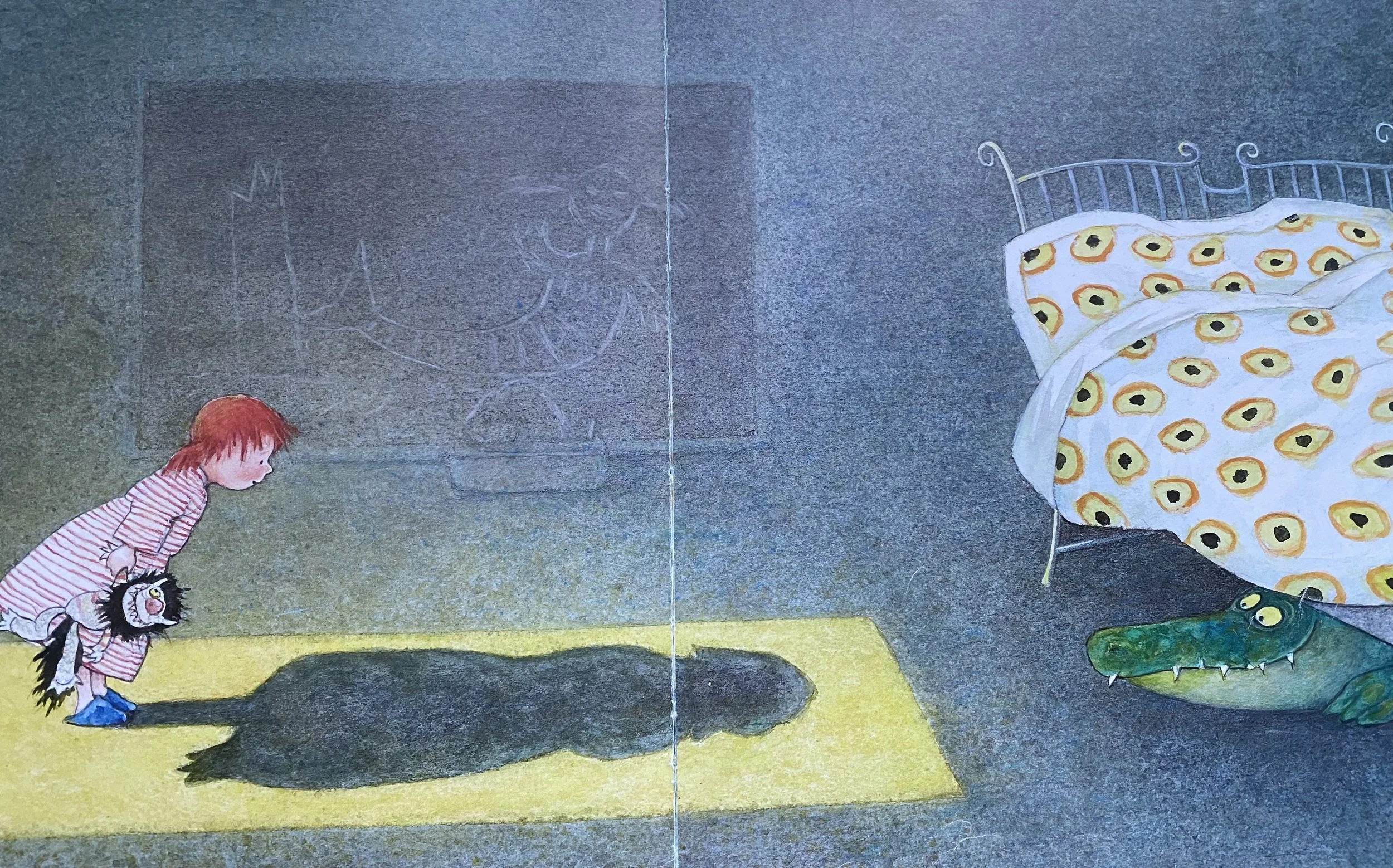
Small figures open big stories
What to Expect in the Therapy Journey
Sandplay therapy typically unfolds in several stages
1. Initial Consultation
During our first meeting, we take time to understand your concerns as parents and listen to your child’s needs and perspective. What do you notice in your child? What feedback has the school shared? What does your child feel or need right now? Together, we look at your family’s context to see what will best support your child. You will also have the opportunity to ask questions so you can make an informed decision for your family. At the end of this session, I will outline a therapy plan, typically consisting of regular sessions with your child and a parent check-in every four to five sessions.
2. Settling In and Building Trust
The first sessions allow your child to get to know the space, the materials, and me as their therapist. This stage is about creating a safe, supportive environment where your child can feel at ease.
3. Exploration and Expression
As your child begins to feel more comfortable, they will start to explore more freely in their creativity. Themes from daily life may naturally surface, and through creating and building with sand and miniatures, your child can give form to feelings and thoughts that may be difficult to express in words.
4. Deepening and Processing
As therapy progresses, deeper themes often emerge. The play becomes more symbolic, reflecting your child’s inner experiences. This is where meaningful processing and healing can take place, sometimes with small insights, and sometimes with bigger shifts.
5. Closing and Integration
When your child has developed greater inner stability and resilience, we begin to prepare for ending therapy. Together, we reflect on what has changed and how your child can carry these new strengths into daily life. We conclude with a final meeting with you as parents to discuss the journey and the next steps for your family.
Sessions and Rates
Sandplay sessions last 50 minutes and typically take place weekly (excluding holidays). Following the intake, you will receive a brief questionnaire to help tailor the sessions to your child’s needs.
€85,- per session
Rates include preparation and administrative work related to your child’s process, are VAT-exempt, and may be partially reimbursed through your supplementary health insurance, depending on your policy.
A brief introductory phone call to discuss your child’s needs and to see if Sandplay therapy is a good fit is free of charge.
Location
Sessions take place at the studio of Praktijk J&S, Lindeseweg 20, Vorden.
For families living further away or in situations where it is more convenient, online parent sessions can be arranged via Zoom. Sandplay sessions with children take place in-person to allow full engagement with the sand and materials.


REVIEWS
“Suzanne’s calm presence and the playful way of working in the sandtray made it easy for our child to express themselves, without pressure. She saw what was going on beneath the surface and gave it all the space it needed.”
— Mother, 37
“At first, our son didn’t want to go but he quickly changed his mind. He felt seen and heard without having to say much, which was exactly what he needed. Suzanne has a rare gift: a gentle approach paired with clear insight. She not only helped him but also gave us, as parents, more confidence in how to support him.”
— Parents of Steef
“Suzanne allowed our daughter to flourish in her own way. Her calm, attentive presence made a real difference – for her and for us as a family.”
— Lena, 41
FAQs
What issues can Sandplay therapy help with?
1
Sandplay therapy can support children, adolescents, and adults dealing with anxiety, depression, grief, trauma, stress, low self-esteem, and life transitions. It is also helpful for individuals who find it challenging to express themselves verbally or who wish to explore deeper layers of their inner world.
How long does Sandplay Therapy trajectory take?
2
The length of therapy varies depending on the individual and the nature of their concerns. Some clients may benefit from a short-term process of a few months, while others find value in longer-term support. We will regularly review the process together to ensure it meets your or your child’s needs.
Do parents stay during Sandplay sessions with children?
3
Typically, Sandplay sessions with children are one-on-one, as privacy helps the child feel free to express themselves. However, regular parent sessions are included to discuss progress and provide guidance on how to support your child at home, while respecting their confidentiality.
How is this different from play therapy?
4
Sandplay Therapy is a clinically proven and supported methodology for children suffering from trauma and traumatic experiences. The methods are theoretically supported by Jungian depth psychology which works with the unconscious in order to facilitate lasting change. The Sandplay process follows a clear trajectory which depicts where a child is in processing events.