“Tell me, what is it you plan to do
with your one wild and precious life?”
— Mary Oliver, Wild Geese.”
Jungian Psychology
When we start therapy, we usually want to solve our own problems, feeling stuck in one way or another, and we also experience a much deeper longing towards something we cannot fully name. Jungian psychology is about working with both these internal driving forces by balancing a clinical approach with openness to the deeper dimensions of the psyche.
By addressing the issues we face on a daily basis, and learning how the unconscious continually provides us with meaning (about these problems), we become aware of why we act and think in specific ways. This allows us to change perspective and attitude. Once we are able to identify and change dysfunctional patterns and replace them with an authentic response, we tap into the vitality and support we need to bring new awareness into action. We bring change where needed and become more capable carrying what doesn’t want to change. We learn to navigate what life brings us. Life starts to flow, and we become like the river and the stone. We allow life to shape us while also being firm within our core.
But building a relationship with the unconscious does more than provide us with understanding; it connects us into a vaster interconnected and embodied way of living.
Imagine consciousness as the boat moving upon the sea of the unconscious. These vast waters that live in our bodily responses, in dreams and stories, in art and images, but also in the animate world around us. Throughout the Jungian process we learn to interact with this world through its symbolic language; a language of images that is reflected in different cultures throughout history. Becoming aware of these threads open us into a web of life that allows us to become more involved in our work and relationships in a meaningful way.

Working with the Unconscious
The Importance of Relationship
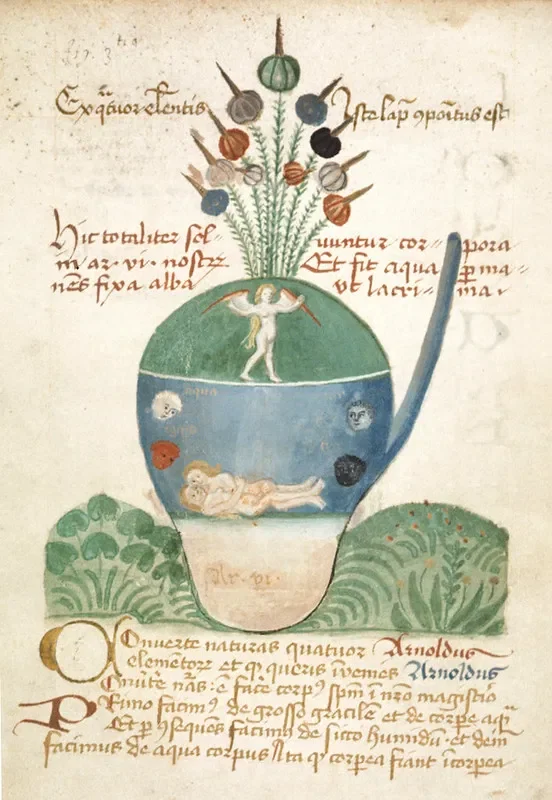
The most important part of any therapeutic process is the relationship between client and therapist. The trust and safety felt within this relationship creates the alchemical vessel that is needed for change. Much like the porous and symbiotic origin of life suggests, Jungian psychoanalysis leaves both client and therapist changed.
This connection with self and other is fundamental to feminine consciousness in both men and women. Other being interpretable on many different levels, from the other as therapist, to the other within, to all those around us and our more-than-human kin. Becoming aware of how we stand related co-arises from working with the deeper layers of the unconscious, and is fundamental to the way I work.
‘We are complex and beautiful beings, layered and intelligent, capable of creating ingenious systems in response to trauma that first protect us, and later imprison us.’
Trauma and the Psyche
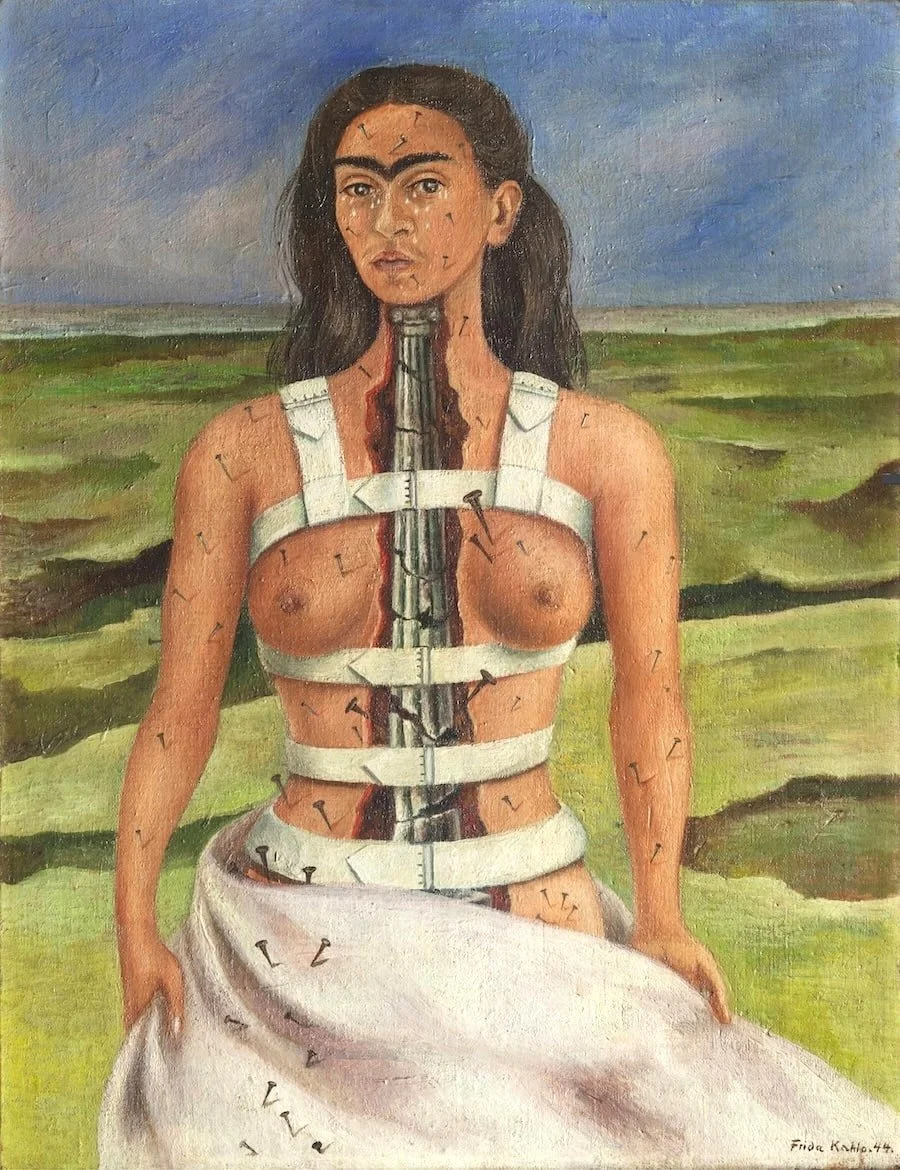
Trauma is what has happened, how we remember it, and what behaviour developed as a response to what happened. Trauma can arise through one or several occurences. Trauma can also arise through accumulated experiences, like the water dropping into a bucket that at one point, will overflow. I often work with women who have experienced sexual trauma, abuse, trauma to the body, or cumulitive trauma that expresses itself in problems in intimacy, creativity, expression, work-life balance, emotional distress or disengagment. Clients can go through many feelings such as isolation, exhaustion, anger, loneliness, depression, grief, anxiety, or bouts of mania. These feelings tend to intensify during life changing transitions, such as in motherhood, career change, the loss of someone close, divorce or break-up, perimenipause, and menopause.
Engaging with trauma is an important and delicate part of healing. I work with various therapeutical approaches that engage body, mind and soul.
‘After years of orbiting the same issues, I found my way to a Jungian psychoanalyst. There, for the first time, I encountered the force of the unconscious—how it works on us, and how, when we learn to look toward it with attention, what has long seemed fixed can begin to change. I started to understand the deeper dynamics beneath my symptoms. I even became inspired by meeting my darkest parts—not because they were pleasant, but because I sensed that entering into dialogue with them could yield the answers I had been seeking. No one else could have given me those answers. They had to be discovered from within.’

-
Standard Jungian sessions last 50 minutes and take place every one or two weeks (excluding holidays). Before the intake, you will receive a questionnaire and a standard client agreement.
Sessions take place at the studio of Praktijk J&S, Lindeseweg 20 in Vorden.
For clients living further away, I offer sessions via Zoom.
-
If you have been referred by your GP, please state this in your intake.
You can contact me via mail, and I also offer a short initial call for any questions you may have prior to an intake session.
-
Standard policies apply. Please find the downloadable forms to be read and/or signed here:
JUNGIAN ANALYSIS SESSIONS AND DOWNLOADS

REVIEWS
Jan, 55
“I had many sessions with Suzanne in which she helped me descend into the deeper layers of my psyche. I always felt safe, and often left feeling surprised, joyful, and moved by the process. She has a keen understanding of the archetypal forces at play in me, and is able to guide them toward transformation."
Anne, 42
“Early in the analysis, my panic attacks eased quickly. It’s not easy to see the patterns you’ve been stuck in for years — and sometimes it’s almost shocking how suddenly insight can come. The deeper layers took more time to surface, but Suzanne gently guided me toward what hurt. That made it bearable."
."
Client
“I had tried various forms of therapy before, including regular mental healthcare, but with Suzanne I finally touched the depth I had been searching for. It’s not just the Jungian way of working with the unconscious, but also Suzanne’s clarity, precision, and care. Because of that, I’ve experienced even the painful parts of the process as nourishing and life-changing."
Julie, 38
“Suzanne supported me deeply during my first pregnancy. At the time, I had intense dreams. She invited me to share them, and then gently guided me through the dream — asking insightful questions and helping me become more aware of the feelings behind the images: fear, hope, grief. This helped me understand and accept my inner world more clearly. It brought me a deep sense of calm throughout my pregnancy"

Frequently Asked Questions
-
Jungian analysis explores the conscious and unconscious aspects of your psyche, using dreams, images, and patterns in your life as guides. It aims to help you understand underlying dynamics rather than only addressing symptoms, supporting lasting change and deeper self-understanding.
-
Getting started is simple. Reach out through the contact form or schedule a call—we’ll walk you through the next steps and answer any questions along the way.
-
I combine a thoughtful, human-centered approach open to the spiritual dimensions of psyche with a science based understanding of the psyche.
-
Dreams can be a very helpful entry point, but they are not required. We can also work with recurring patterns, images, feelings, or life themes you are experiencing.
-
I offer corporate and private rates. Private rates can be provided on sliding scale. To learn more please go here.
-
Clients describe my approach as caring, intuitive and clear. To learn more about me you can go here .